
Story 17 - Jul 8, 2026 - London, England

Just back from: The Climate Pledge Hub London

Energy Innovation

By Jessica Bernhard

/

Writer and Editor, Amazon Sustainability

For the second consecutive year, signatories and invited guests networked and attended tactical workshops on topics like how AI can advance sustainability goals, the Laneshift joint action project electrifying trucking, and climate innovations capable of transforming the business landscape.

The Climate Pledge was founded on a powerful concept: Urgent, sustained action is needed to address climate change and reduce global greenhouse gas emissions, which no one company can achieve on its own. Events like The Climate Pledge Hub convene signatories and guests committed to accelerating climate action.

Thousands of participants descended on the United Kingdom to attend more than 1,300 events at the eighth annual London Climate Action Week. The Climate Pledge Hub—a separate event designed specifically for signatories of the Pledge and invited guests—featured two days of exclusive workshops at Nessa Soho focused on some of the most pressing environmental challenges of our time. Read on for a look at the top sessions. 

AI’s climate advantage: digital technologies supporting net-zero carbon

AI is an energy-intensive technology with the potential to be a powerful decarbonization tool. In this session moderated by Carolina Milanesi, technology analyst and founder of The Heart of Tech, participants explored case studies on topics including measuring the energy footprint of climate-focused large language models, how to find operational efficiencies in AI-powered autonomous buildings, and how AI carbon calculation tools can influence product design. Guest panelists discussed the tension between measurement, evidence, and accounting gaps.
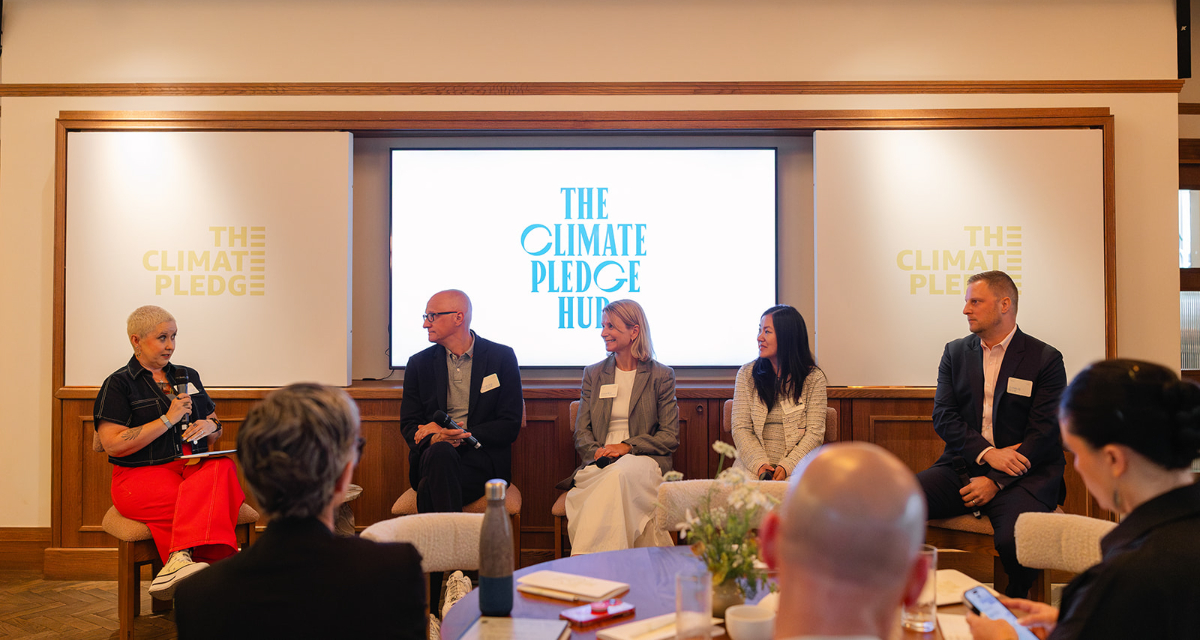
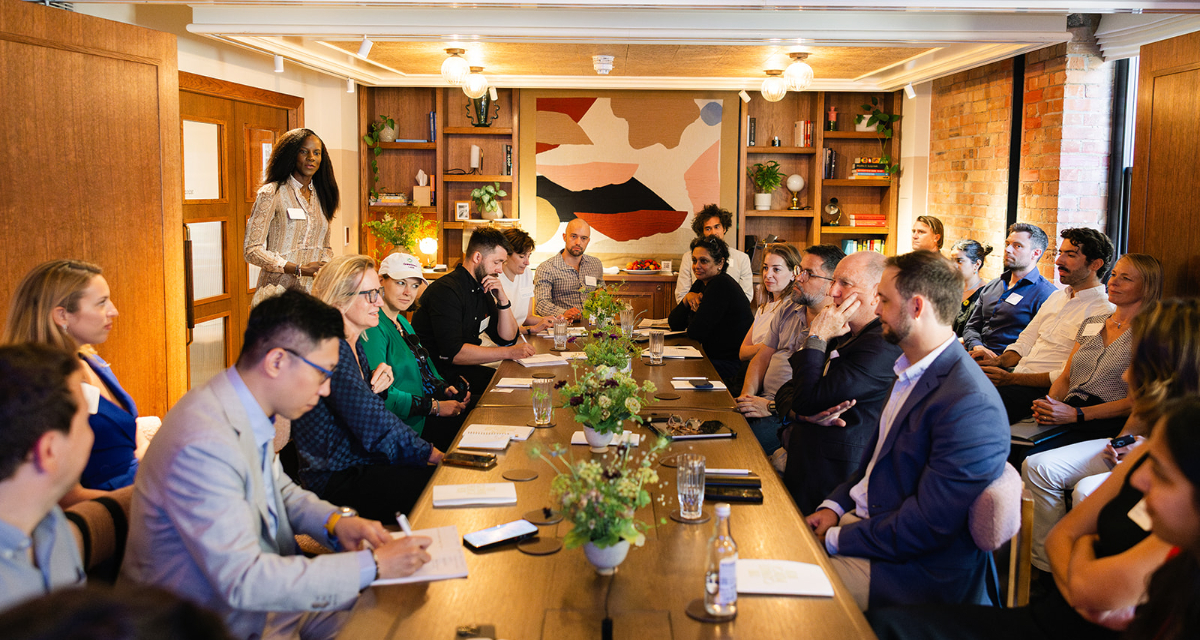
Participants took notes as the panel discussed how AI and machine learning can be powerful decarbonization tools.

Implement what works: innovations reshaping our climate

Participants in this session spent time with the leading thinkers, scientists, and creatives behind promising decarbonization technologies, including those supported by Amazon’s Climate Pledge Fund and winners of the prestigious Earthshot Prize. The showcase focused on solutions involving circularity, water, and energy efficiency, and participants considered how such ideas might help them drive change in their own organizations. 

Sarah Dimson-Tararuj, head of strategic projects and programs for The Climate Pledge, highlighted solutions in circularity, water, and energy efficiency in this session.

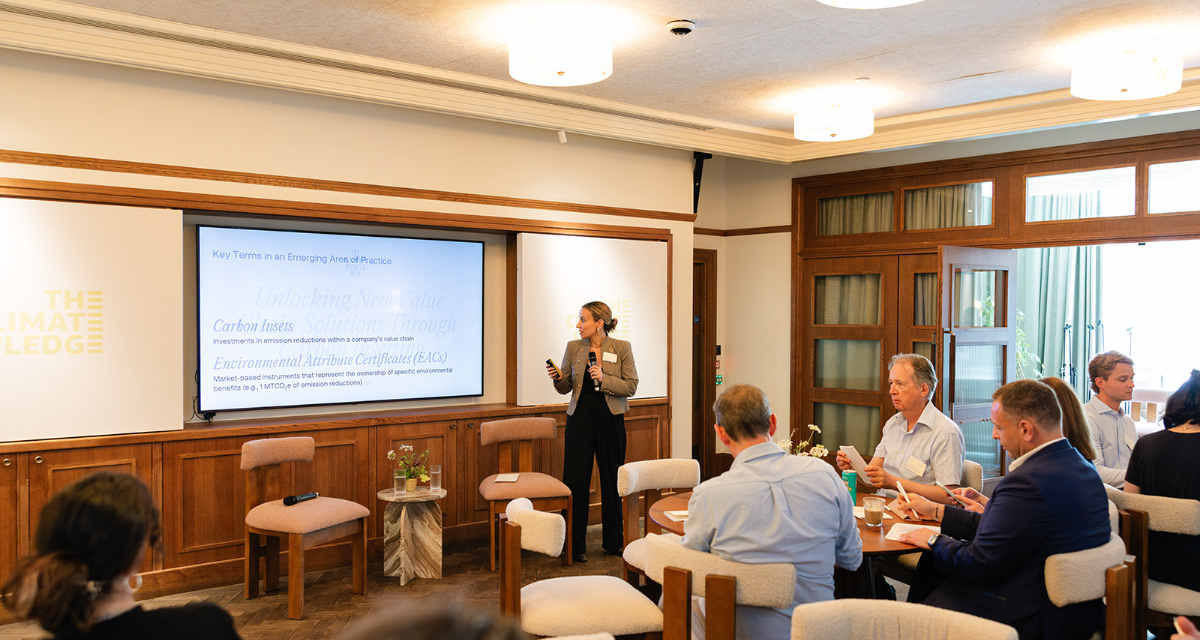
Unlocking new value chain solutions through carbon insets 

It can be a real challenge to reduce greenhouse gas emissions across the entire value chain. Attendees of this session learned about concrete approaches to reducing energy-related emissions across supply chains, from buyer-led clean energy programs to cross-sector collaborations designed to make renewable energy accessible to suppliers at scale. 

Participants considered carbon insetting and how to reduce energy-related emissions across supply chains with Michelle Jolly, Amazon’s director of sustainability solutions and services.

Procurement as the corporate decarbonization engine

Procurement sits at the center of corporate emissions, yet it’s often treated as an operational function rather than a strategic climate lever. This session reframed procurement as critical infrastructure for decarbonization.

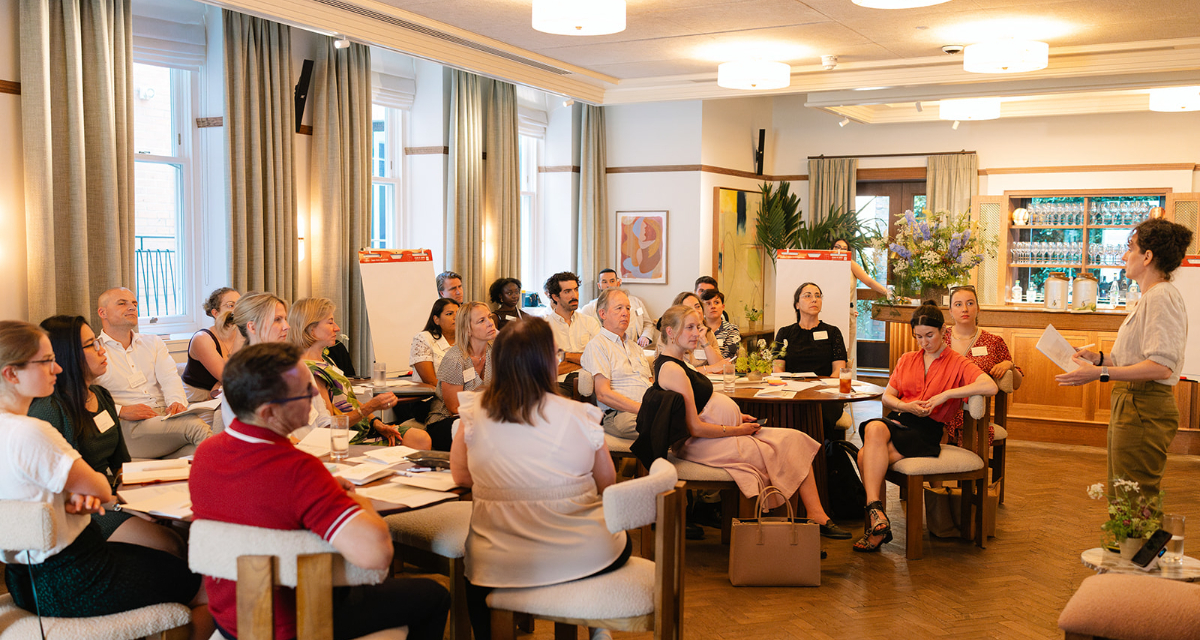
Participants explored how companies are working emissions reduction into sourcing decisions, supplier engagement, and category strategies. Attendees emerged with ideas about how procurement teams can move beyond compliance and reporting, and how to find internal alignment to make that shift possible. 

Attendees brainstormed ideas for how procurement teams can move beyond compliance and reporting in this practical session led by Suzy Glass, co-CEO of BRAE.

Laneshift goes global

As Laneshift released its first-ever impact report on June 24, participants at The Climate Pledge Hub celebrated three years of this public-private collaboration responsible for deploying hundreds of electric trucks, installing dozens of charging hubs, and creating jobs across Brazil, India, and Mexico. Moderated by Global Optimism Co-founder Tom Rivett-Carnac, this session included a new video with testimonials from city mayors, Pledge signatories, and other collaborators.

Read more: Laneshift proves electric freight is possible anywhere

This session focused on the impact of Laneshift, a successful joint action project celebrated by attendees.


Cohort sessions

Sessions geared toward Climate Pledge Cohorts focused on topics like decarbonizing commodities, how small companies can embed decarbonization across the business, and the various ways signatories can collaborate across shared value chains.

“When I think of community, I think safe,” said Kinjal Patel, a sustainability specialist for JetBlue, who attended the sessions. “When you feel safe, you can be yourself and you can talk freely and share ideas without judgment, but that's where new ideas are born and that's what the cohorts do. That's what The Climate Pledge does.” 

Cohort sessions included: 

Commodity decarbonization in action
Participants tested sourcing playbooks created by the Science Club Cohort to support product-level emissions decisions in this hands-on workshop. Attendees emerged with clear priorities and next steps for decarbonizing the materials their organizations make and sell.

Corporate carbon-free energy procurement as a driver of decarbonization
Participants learned how corporate procurement can make carbon-free energy more affordable and improve grid reliability. Facilitators also covered challenges with the uncertainty around voluntary standards. 

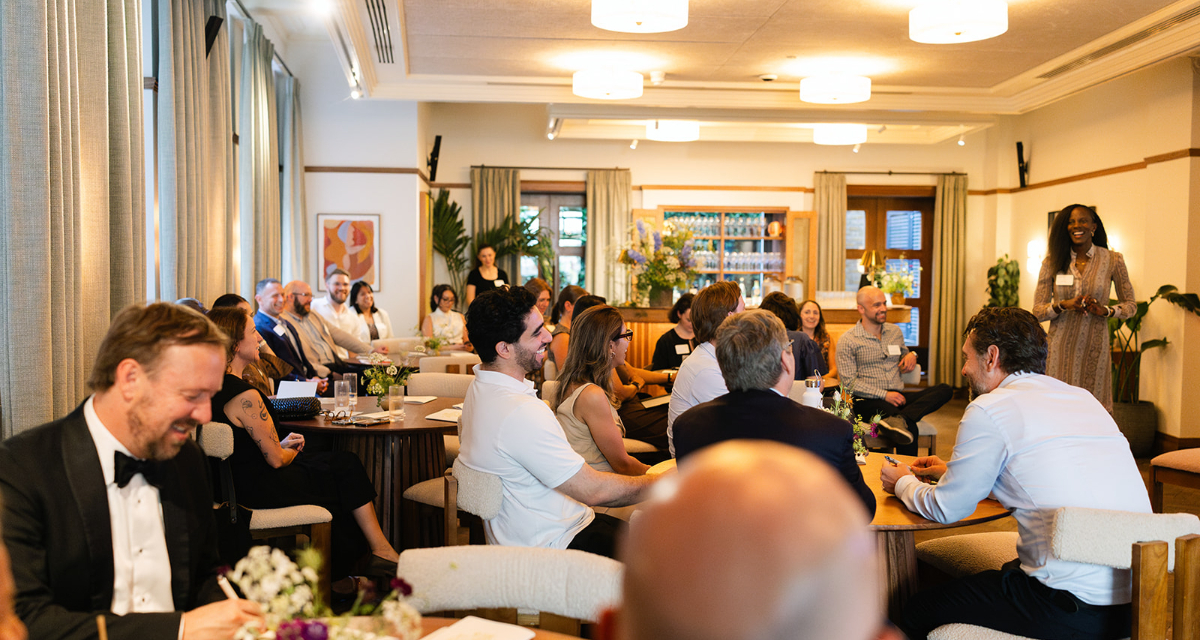
The Hub offered both organized and informal moments to connect.

Small and Medium-Sized Enterprises (SME) workshop: embedding decarbonization across your business
SME sustainability professionals are often challenged to turn ambition into action while balancing competing priorities for their business. In this roundtable drawing on the Net-Zero Roadmap Accelerator, SME professionals learned how to build internal alignment and turn climate commitments into action. 

Collaborating across the value chain
Signatories identified high-impact intervention points and explored how to co-develop and incubate projects addressing emissions in energy and materials in this interactive workshop.

Learn more about London Climate Action Week.  

Read more event recap articles in our Just Back From series.

All photos taken by Alex Wysocki Photography.